October 13, 2026 ~ Shabbat NOAH. SIGAH-IRAQ.
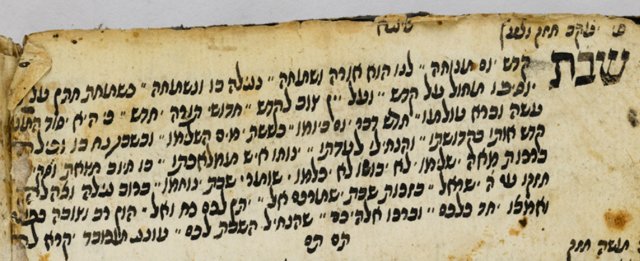
The custom of singing Baqashot originated in Spain towards the time of the expulsion (~1490), but took on increased momentum in the Qabbalistic circle in Safed in the 16th century. Baqashot evolved out of the tradition of saying petitionary prayers before dawn and was spread from Safed by the followers of Isaac Luria (16th century). With the spread of Safed Qabbalistic doctrine, the singing of Baqashot reached countries all round the Mediterranean and became customary in the communities of Morocco, Tunisia, Algeria, Rhodes, Greece, Yugoslavia, Egypt, Turkey and Syria. By the turn of the 20th century, Baqashot had become a widespread religious practice in several communities. The songs principally consist of the praise of God, songs for Shabbat, songs of longing for the Holy Land and so on.
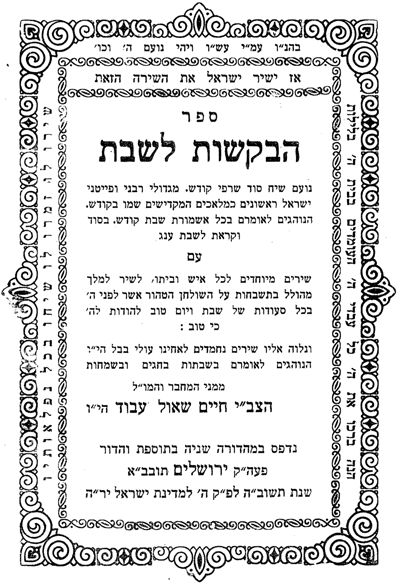
The Syrian tradition was introduced to Jerusalem by Raphael Altaras, who came to that city from Aleppo in 1845 and founded a Baqashot circle at the Kehal Sion synagogue. In this way, the custom of Baqashot became part of the mainstream Jerusalem Sephardic tradition. Another important influence was Jacob Ades (1857-1925), who immigrated to Jerusalem in 1895 and introduced the tradition to the Persian and Bukharan communities. The main center of the tradition today is the Ades Synagogue in the Nahlaot neighborhood, where the leading spirit was Haim Shaul Aboud.
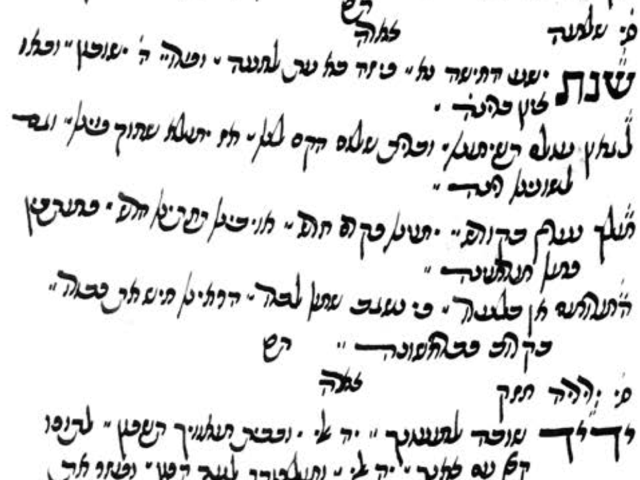
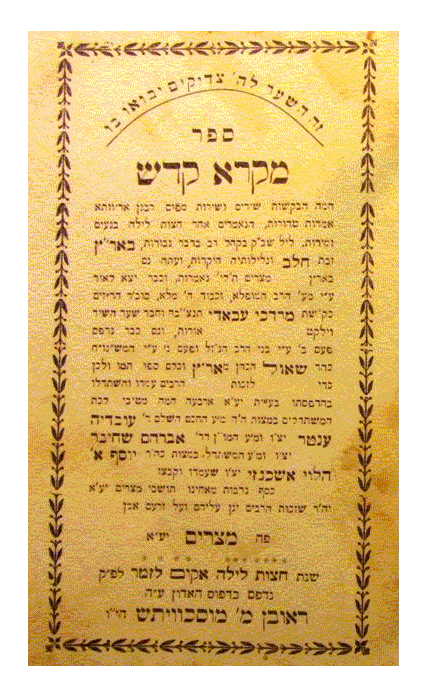
The first Baqashot book, called "Miqra Qodesh," was published in Aleppo in 1864, and only had 43 Baqashot songs. Nine years later, in 1873, a new version of "Miqra Qodesh" came out with more than 70 Baqashot songs. In 1930, the Aleppo community living in Cairo, under the leadership of Hakhamim Aboud Antar, Abraham Shehebar, and Yosef Ashkenazi, published another Baqashot song book also called "Miqra Qodesh," and this is similar to the 1873 book. The Baqashot in our current collection only has 66 songs.

Cover page of "Miqra Qodesh," Aleppo, 1873
| SEPHARDIC SIDDUR BAQASHOT, 1601 | ||
| 1 | Kol Beruei | כל ברואי מעלה ומטה |
| 2 | Adon Olam | אדון עולם |
| 3 | Yigdal Elohim Hai | יגדל אלהים חי |
| 4 | Abarekh Et Shem Hashem | אברך את שם יי |
| 5 | Qamti Lehallel | קמתי להלל לשם האל |
| 6 | Ki Eshmera Shabbat | כי אשמרה שבת |
| 7 | Shaar HaRahamim LeAm | שער הרחמים לעם |
| 8 | Shiru LaEl Nebonai | שירו לאל נבוני |
| 9 | Elohai Al Tedineni | אלהי אל תדינני |
| 10 | Eress Haqedusha | ארץ הקדושה |
| 11 | Hashem Negdekha | ה' נגדך |
| 12 | Shir Todah LeLohim | שיר תודה לאלהים |
| 13 | Eli Al Ebosha | אלי אל אבושה |
| 14 | Shema Qoli Asher Yishma | שמע קולי אשר ישמע |
| 15 | Yeiruni Yeme Qedem | יעירוני ימי קדם |
| 16 | Kamah Elohai Tobot | כמה אלהי טובות |
| 17 | Farshez Alai Miziv | פרשז אלי מזיו |
| 18 | Todot El Venihohai | תודות אל וניחחי |
| 19 | Agadelkha | אגדלך אלהי |
| 20 | Eftah Nah Sefatai | אפתח נא שפתי |
| 21 | Al Mishkabi BaLelot | אל משכבי בלילות |
| 22 | Shahar Lehodot Lekha Qamti | שחר להודות לך קמתי |
| 23 | Shahar Beshirati | שחר בשירתי |
| 24 | Kol Haneshama Tehallel Ma'aseh Yah | כל הנשמה תהלל |
| 25 | Qabel Tefilati Shel Boqer | קבל תפלתי של בקר |
| 26 | Hashem Boqer Eerokh Lekha | ה' בוקר אערך לך |
| 27 | Odeh LaEl Lebab Hoqer | אודה לאל לבב חוקר |
| 28 | Yosser BeHokhma Ruhi Beqirbi | יוצר בחכמה רוחי בקרבי |
| "Baqashot of Shabbat", Beirut, 5673= 1913 (Damascus Tradition) | Miqra Qodesh: Aleppo, 5624= 1864 | Miqra Qodesh: Aleppo, 5633=1873 | Shir Ushbaha Hallel VeZimrah. Jerusalem, 1964 | |
| PETIHA- EL YAQSHIB LAQOL TAHANUNAI | ||||
| 1 | El Mistater | El Mistater | El Mistater | El Mistater |
| 2 | Lema'ankha | Lema'ankha | Lema'ankha | Lema'ankha |
| PETIHA-Shir Hama'alot BeShub | PETIHA-Shir Hama'alot BeShub | PETIHA-Shir Hama'alot BeShub | PETIHA-Shir Hama'alot BeShub | |
| 3 | Yomar Na | Yomar Na | Yomar Na | Yomar Na |
| PETIHA-Mah Ahabti | PETIHA-Mah Ahabti | Petiha-Mah Ahabti | Petiha-Mah Ahabti | |
| 4 | Yemotai | Yemotai | Yemotai | Yemotai |
| PETIHA-Kime | PETIHA-Kime | Petiha-Kime | Petiha-Kime | |
| 5 | Anna Hosha' | Anna Hosha' | Anna Hosha' | Anna Hosha' |
| 6 | Darashti | |||
| PETIHA-'Ourah | PETIHA-'Ourah | PETIHA-'Ourah | ||
| 7 | Ashir 'oz | Ashir 'oz | Ashir 'oz | Ashir 'oz |
| PETIHA-VaAni ashir | Petiha-Va'Ani Ashir | Petiha-Va'Ani Ashir | ||
| 8 | Odeh LaEl | Odeh LaEl | Odeh LaEl | Odeh LaEl |
| Qabel Tefilati | ||||
| 9 | Ani Ashava' | Ani Ashava' | Ani Ashava' | |
| PETIHA-Beron | PETIHA-Beron | Petiha-Beron | Petiha-Beron | |
| 10 | Odeh El Hai | Odeh El Hai | Odeh El Hai | |
| 11 | Adonai Boqer | Adonai Boqer | Adonai Boqer | Adonai Boqer |
| 12 | Kammah Elohai | Kammah Elohai | Kammah Elohai | Kammah Elohai |
| 13 | Shahar Abaqeshkha | Shahar Abaqeshkha | Shahar Abaqeshkha | Shahar Abaqeshkha |
| 14 | E'erokh | E'erokh | E'erokh | |
| PETIHA-Halelouyah | PETIHA-Halelouyah | Petiha-Halelouyah | Petiha-Halelouyah | |
| 15 | Yasad Besodo | Yasad Besodo | Yasad Besodo | Yasad Besodo |
| Petiha- Shir Hama'alot LeDavid Hinne Mah Tob | Petiha- Shir Hama'alot LeDavid Hinne Mah Tob | Petiha- Shir Hama'alot LeDavid Hinne Mah Tob | Petiha- Shir Hama'alot LeDavid Hinne Mah Tob | |
| 16 | Eress Veroum | Eress Veroum | Eress Veroum | Eress Veroum |
| 17 | Yisrael Nosha' | Yisrael Nosha' | Yisrael Nosha' | |
| 18 | Mah Nikhbad | Mah Nikhbad | Mah Nikhbad | |
| Mi Ladonai | Mi Ladonai | |||
| Or 'Elyon | Or 'Elyon | |||
| Yah Qadosh | ||||
| 19 | 'Ourou Shirou | 'Ourou Shirou | 'Ourou Shirou | |
| 20 | Yom Zeh Shirou | Yom Zeh Shirou | Yom Zeh Shirou | |
| Petihah-Elekha Adonai Eqra | PETIHAH: Yom Qadosh Oumborakh | |||
| 21 | Ki Eshmerah | Ki Eshmerah | Ki Eshmerah | Ki Eshmerah |
| 22 | Eshtabeah | Eshtabeah | Eshtabeah | |
| 23 | Shir Hadash | Shir Hadash | Shir Hadash | |
| 24 | Elav Mi Hiqshah | Elav Mi Hiqshah | Elav Mi Hiqshah | Elav Mi Hiqshah |
| 25 | Y'areh 'alenou rouah | Y'areh 'alenou rouah | Y'areh 'alenou rouah | |
| Qamti LeHallel | ||||
| 26 | Yom Zeh Leyisrael | Yom Zeh Leyisrael | Yom Zeh Leyisrael | Yom Zeh Leyisrael |
| 27 | Yodoukha Ra'yonai | Yodoukha Ra'yonai | Yodoukha Ra'yonai | |
| 28 | Yah Masse | Yah Masse | Yah Masse | Yah Masse |
| Yodoukha Ra'ayonai | ||||
| 29 | Yodoukha Melekh | Yodoukha Melekh | Yodoukha Melekh | |
| Or Panekha | ||||
| Anokhi Shemi | Anokhi Shemi | |||
| 30 | 'Ouri Nessourah | 'Ouri nessourah | 'Ouri nessourah | |
| Ram Or Gadol Ne'lam | ||||
| PETIHAH-Mizmor Shir | Petihah-Mizmor Shir | Petihah-Mizmor Shir | ||
| 31 | Shalom VaSedeq | Shalom VaSedeq | Shalom VaSedeq | |
| Yah Elah Rab Kol Hakimah | Yarenou Keqedem | |||
| Male Fi | Male Fi | |||
| 32 | Esa Libi | Esa Libi | Esa Libi | |
| 33 | Yah Elah | Yah Elah | Yah Elah | Yah Elah |
| 34 | Yah Ribon | Yah Ribon | Yah Ribon | Yah Ribon |
| Ashirah Na | ||||
| Ani Asaper | Ani Asaper | |||
| Mishamayim | ||||
| Mahalalakh | Mahalalakh | |||
| Mishamayim | ||||
| Ronnou | Ronnou | |||
| Shibhou El | Shibhou El | |||
| Yah Melekh | Yah Melekh | |||
| Yah Eli | Yah Eli | |||
| Yodou Shimkha | Yodou Shimkha | |||
| Yodoukha Kol | Yodoukha Kol | |||
| Anokhi Eshal | Anokhi Eshal | |||
| Yishmorkha Keishon | Yishmorkha Keishon | |||
| Melo HaAress | ||||
| Yom Zeh Mikol | ||||
| PETIHA- ATOHI KEMAH RIBREBIN | PETIHAH-Ataya | Petihah-Ataya | Petihah-Ataya | |
| Ashre Adam | ||||
| 35 | Yom Leyom Odeh | Yom Leyom Odeh | Yom Leyom Odeh | Yom Leyom Odeh |
| Shabbat Qodesh Yom HaMenuha | ||||
| PETIHAH-Qarob | Petihah-Qarob | Petihah-Qarob | ||
| 36 | Bar Yohai | Bar Yohai | Bar Yohai | Bar Yohai |
| PETIHAH-Odeh | Petihah-Odeh | Petihah-Odeh | ||
| 37 | Meromim | Meromim | Meromim | |
| 38 | Or Sah upashut | Or Sah upashut | Or Sah upashut | |
| Mi Zot Olah Yefefia | El Melekh Yosheb | |||
| Mah Na'im | Mah Na'im | |||
| El Sur Ozi VeZimrat Ya | El Melekh (not the same as above) | |||
| Yoser Hakol Lemi Yahposs | Yom Hashabat qol narim | |||
| Yadekha Tanheni | Mah Nikhsefah | |||
| El Adir | ||||
| Petihah-Shir Hama'alot | ||||
| 39 | Or Sah oumsouhsah | Or Sah oumsouhsah | Or Sah oumsouhsah | |
| Darashti | Darashti | |||
| 40 | Adon Yahid | Adon Yahid | Adon Yahid | |
| 41 | Yosheb Tehiilot | Yosheb Tehilot | Yosheb Tehilot | |
| Yeme Harpi Ahabtani | El Adir kabir oumelekh | |||
| Al Tiga' | ||||
| 42 | Yedid Nefesh | Yedid Nefesh | Yedid Nefesh | Yedid Nefesh |
| 43 | Aghadelkha | Aghadelkha | Aghadelkha | Aghadelkha |
| Yahriq Nedod Na'aman | 10 Additional Songs: | |||
| Mah Lakh Yafa Tama | Yarenou keqedem | Marom El Hai | ||
| PETIHA- Hinne Anokhi Sholeah | Shaddai Ram | Kol Beruei Ma'lah | ||
| Kol Beruei Ma'lah | ||||
| Azammer Shir Hadash | Yah El Gadol | |||
| PETIHA- Ubtoratekha Hashem Elohenu Katub Lemor Shema Yisrael... | ||||
| Shenat Yesha' | Shabbat Aqoum | Adon 'Olam | ||
| Adon Olam | Ram Or Gadol Ne'lam | Abarekh Et Adonai | ||
| Abarekh Et Adonai | Ronnou Gilou | |||
| Yah El Gadol | ||||
| Marom El Hai | ||||
| Yah Elah Debishmaya | ||||
| Yabo Dodi | ||||
| 18 Songs by H Eliahou Hamaoui | ||||
| last song: Or 'Elyon Meir Kasapirim. | ||||
| TOTAL | 36 songs | 43 songs, 12 Petihot | 72 Baqashot songs, 13 Petihot, 10 additional songs, 18 Hamaoui songs | 66 songs, 13 Petihot |
In the 9 years from 1864 to
1873, there was a huge surge in baqashot and pizmonim.
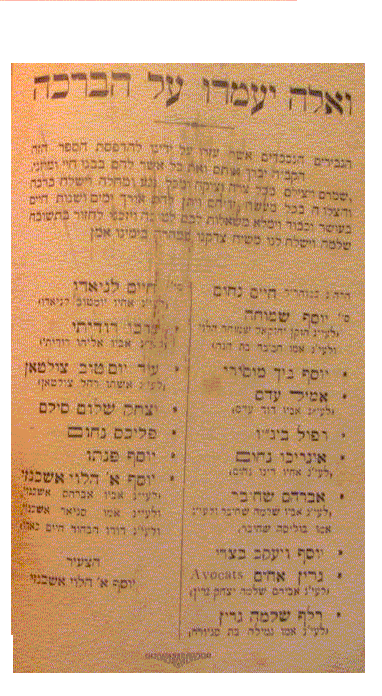
Cover page of "Miqra Qodesh", Cairo, 1930
| Pizmon | Page | Song | Commentary | Recordings | Application |
|---|---|---|---|---|---|
| 0.4 | 8 | בקשות של שבת |
Eli Cabasso: various songs Beth Torah - FULL BAQASHOT M Habusha: all |
||
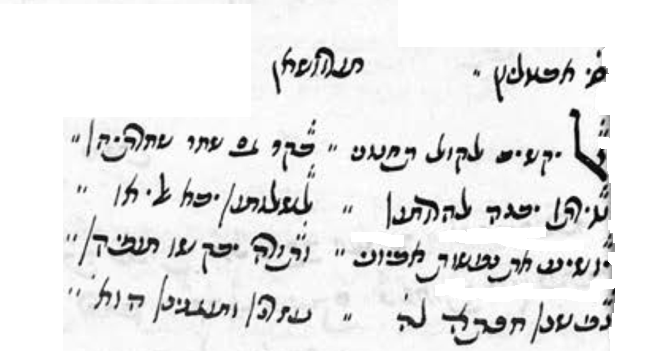
| 0.5 | אל יקשיב לקול תחנוני |  אבטליון Maqam Nagriz Yabess Manuscript אבטליון Maqam Nagriz Yabess Manuscript |
|||
| 1 | 8 | אל מסתתר |  Abraham Maimom Maqam Hoseni Opening song of the Shabbat Baqashot. Hoseni. "El Mistater" is an allusion to Isaiah 45:15. A Z Idelsohn notes, 1923 Aharon Rahamim Hares Baqashot Manuscript, 1917 Abraham Maimom Maqam Hoseni Opening song of the Shabbat Baqashot. Hoseni. "El Mistater" is an allusion to Isaiah 45:15. A Z Idelsohn notes, 1923 Aharon Rahamim Hares Baqashot Manuscript, 1917 |
Archives E. Sayegh E. Menaged Ohabe Zion 1960 H Selim Salem Beth Torah Baqashot |
|
| 2 | 9 | למענך ולא לנו | Maqam Bayat This song discusses redemption. Bayat. Aharon Rahamim Hares Baqashot Manuscript, 1917 |
E. Menaged E. Sayegh Archives Ohabe Zion 1960 H Selim Salem Dr Isaac S Mordecai Beth Torah Baqashot |
|
| 3 | 10 | יאמר נא ישראל | Israel Najara Maqam Rahawi Nawah Each verse ends with word "yom" (day). Nawah. A Z Idelsohn notes, 1923 Aharon Rahamim Hares Baqashot Manuscript, 1917 |
E. Menaged E. Sayegh Archives E. Sayegh Peticha Beth Torah Baqashot |
שמחים |
| 4 | 12 | ימותי קלו כצבאות | Israel Najara Maqam Sigah Sigah. Job 9:25. Aharon Rahamim Hares Baqashot Manuscript, 1917 |
E. Menaged E. Sayegh E. Sayegh Peticha Archives Ohabe Zion 1960 Beth Torah Baqashot |
|
| פתיחה | 13 | פתיחה - כימי |
E. Sayegh Peticha |
||
| 5 | 14 | אנא הושע | Israel Najara Maqam Sigah Sigah. Aharon Rahamim Hares Baqashot Manuscript, 1917 |
E. Menaged E. Sayegh Archives Ohabe Zion 1960 H Selim Salem Beth Torah Baqashot |
|
| 6 | 15 | אשיר עוז | Israel Najara Maqam Sigah Sigah. Psalm 59:17. Aharon Rahamim Hares Baqashot Manuscript, 1917 |
Archives Ohabe Zion 1960 Beth Torah Baqashot |
|
| 7 | 16 | אודה לאל | Shemaya Maqam Saba Saba. "Hoqer Leb" is found in Jeremiah 17:10. Aharon Rahamim Hares Baqashot Manuscript, 1917 |
Archives Ohabe Zion 1960 Beth Torah Baqashot |
נקדישך |
| 8 | 16 | אני אשוע בבקר | Yosef Sitehon Maqam Bayat Bayat. Written by H Yosef Abraham Sittehon (1813-?). Aharon Rahamim Hares Baqashot Manuscript, 1917 |
Archives Ohabe Zion 1960 Beth Torah Baqashot |
|
| 9 | 17 | אודה אל חי | Yehuda Kassin Maqam Hoseni Aleph Bet (acrostic). Hoseni. Aharon Rahamim Hares Baqashot Manuscript, 1917 |
Archives Ohabe Zion 1960 Beth Torah Baqashot |
|
| 9.5 | קבל תפלתי של בוקר | Damascus tradition only. | |||
| 10 | 20 | ה' בוקר | Shelomo Ibn Gabirol Maqam Hoseni Hoseni. Psalms 5:4. Aharon Rahamim Hares Baqashot Manuscript, 1917 |
Archives I. Cabasso M. Tawil G. Shrem Moshe Dwek Moshe Dwek - HM Beth Torah Baqashot |
ה' מלך |
| 11 | 20 | כמה אלהי טובות | שבתי Maqam Hoseni First seen in the Romanian Mahzor. Kushtah, 1574. Hoseni. Aharon Rahamim Hares Baqashot Manuscript, 1917 |
Archives Ohabe Zion 1960 H Selim Salem |
שמחים |
| 12 | 21 | שחר אבקשך | Shelomo Ibn Gabirol Maqam Rahawi Nawah Nawah. A poem composed by Rabbi Solomon Ibn Gabirol about the importance of seeking the Almighty in prayer every morning. Aharon Rahamim Hares Baqashot Manuscript, 1917 |
Archives Beth Torah Baqashot |
שמחים |
| 13 | 21 | אערוך צפצופי | Abraham Maqam Rahawi Nawah First seen in "Miqrah Qodesh", 1864. Nawah. Aharon Rahamim Hares Baqashot Manuscript, 1917 |
Archives Beth Torah Baqashot |
|
| 14 | 22 | יסד בסודו בורא לבנין | יוסף בן הרב Maqam Mehayar-Bayat Acrostics: "Yosef ben Harav." The composer was related to the Maran, Rav Yosef Cairo. The original way to sing this entire song is with the same tune as the first and second verses, however, the Israeli community added different tunes for the middle stanzas in order to enhance the pizmon. It is an Aleppo tradition to sing this song at funeral in the process of following the coffin. Mehayar-Bayat. "Barukh Sheamar" refers to the daily prayer that starts the Zemirot blessing. A Z Idelsohn notes, 1923 Aharon Rahamim Hares Baqashot Manuscript, 1917 |
Archives R Barzani- Semehim I CABASSO SHAVAT ANIYIM Beth Torah Baqashot |
קדיש |
| 15 | 24 | ארץ ורום בהבראם | Abraham Ibn Ezra Maqam Saba Saba. Discusses the seven days. Aharon Rahamim Hares Baqashot Manuscript, 1917 |
Archives E. Menaged D Binker-Duek Dr Isaac S Mordecai Beth Torah Baqashot |
|
| 16 | 25 | 'ישראל נושע בה | Yaakob Abadi Maqam Mehayar-Bayat Mehayar. Written by H Yaaqob Abadi (?-1876). Mehayar-Bayat. Aharon Rahamim Hares Baqashot Manuscript, 1917 |
Archives Ohabe Zion 1960 Beth Torah Baqashot |
|
| 17 | 26 | מה נכבד היום מימים | Mordekhai Labaton Maqam Saba Saba. Written by H Mordekhai Labaton (1780-1869). About the importance and centrality of Shabbat. Saba. Aharon Rahamim Hares Baqashot Manuscript, 1917 |
Archives G. Shrem Ohabe Zion 1960 Nahari- Shavat Moshe Dwek I CABASSO SHAVAT ANIYIM Beth Torah Baqashot Meir Levy: EH |
שועת עניים |
| 18 | 27 | מי לה' אתי עורך | Mordechai Abadi Maqam Bayat First seen in "Miqrah Qodesh", 1883. Bayat. Aharon Rahamim Hares Baqashot Manuscript, 1917 |
Archives Ohabe Zion 1960 Beth Torah Baqashot |
|
| 19 | 28 | אור עליון | Eliahu Hamaoui Maqam Bayat Bayat. Written by H Eliahou Hamaoui (1840-1915) for H Eliahou Dahab. Bayat. Aharon Rahamim Hares Baqashot Manuscript, 1917 |
Archives E. Menaged E. Menaged 2 Naftali Tawil- Qaddish Beth Torah Baqashot |
|
| 20 | 28 | עורו שירו שיר | Ezra Attiah Maqam Saba The acrostic on "Ouru Shiru" spells Ezra Hazak. The last line also bears the name of his father "Chazak...nechamot Yeshaya" ... Chai gam Ataya (Attia). Saba. Ezra Attia Manuscript Aharon Rahamim Hares Baqashot Manuscript, 1917 |
E. Menaged Archives R Barzani- Semehim I Cabasso- SA I CABASSO SHAVAT ANIYIM I CABASSO SEMEHIM Beth Torah Baqashot |
שמחים |
| 21 | 29 | יום זה שירו | Mordechai Abadi Maqam Mehayar-Bayat This song (MEHAYAR / RAHAW, page 29), considered the most popular of the Baqashot collection, is composed by the great rabbi H Mordekhai Abadi (1826-1884) of Aleppo, Syria. Other compositions by H Abadi can be found in "Dibre Mordekhai" (Aleppo, 1873). Although the acrostic is “Yosef Binyamin Hazaq," H Abadi's name is hinted to in the song. The theme of the song is to encourage the people to enjoy the Shabbat by singing to God. According to the chorus, the Sabbath is special because it is a time of rest from work, and it is our inheritance to be happy on this very blessed day. Throughout the 5 stanzas, there are many allusions to verses from the Tanakh. The final verse is a charge to strengthen those in the community who wake up pre-dawn to sing the Baqashot; reminding them “these are your lives to reach strengths and to dwell in the courtyards in the House of God." Besides for singing this during the Baqashot, this song is also customarily heard on the table during the Shabbat meal. A Z Idelsohn notes, 1923 Aharon Rahamim Hares Baqashot Manuscript, 1917 |
E. Menaged Archives Moshe Dwek Beth Torah Baqashot |
|
| 22 | 30 | יום קדוש ומבורך | Raphael Tabbush Maqam Saba Petiha (introduction) written by H Rephael Tabbush (1830-1918). Saba. Tabbush Manuscript Aharon Rahamim Hares Baqashot Manuscript, 1917 |
E. Menaged Archives Beth Torah Baqashot |
|
| 23 | 30 | כי אשמרה שבת | Abraham Ibn Ezra Maqam Saba Saba. A Z Idelsohn notes, 1923 Aharon Rahamim Hares Baqashot Manuscript, 1917 |
E. Menaged Archives Ohabe Zion 1960 R Barzani- Semehim Charlie Chehebar- Qaddish I Cabasso- SABA- Semehim Moshe Dwek - Nahwand melody Moshe Dwek - Semehim (AJAM) Dr Isaac S Mordecai Dr Isaac S Mordecai - Elul Melody I CABASSO SEMEHIM Beth Torah Baqashot Meir Levy: Nishmat |
שמחים |
| 24 | 31 | אשתבח בתהלות | Abraham Sitehon Maqam Iraq Maqam Iraq. Written by H Abraham Sittehon (?-1816). Aharon Rahamim Hares Baqashot Manuscript, 1917 |
Archives E. Menaged G. Shrem Beth Torah Baqashot Jack I Cabasso |
שמחים |
| 25 | 33 | שיר חדש זמרו | Shemuel Moursiye Maqam Mehayar-Bayat This pizmon (BAQASHOT, page 33), whose title translates as "Sing A New Song," is composed by H Shemuel Moursiye (acrostic: Shemuel Hazaq) of Aleppo. There are six stanzas in this song, and each stanza ends with a Biblical reference to a verse with God's name. This song recalls a historic event of what was perceived as a miracle for Aleppo's Jewish community. In Aleppo, in the year 1850 (Hebrew year 5611 = as seen by numeric value of the word 'קשורה' in the fifth stanza), on the 11th day in the month of Heshvan, there was a Muslim attack against the Christians. The Muslims took their possessions, killed many, and burnt churches. Apparently, just when the Christians thought that they were safe, on the second day of Kislev (the following month), a new leader of Aleppo arose, further attacked the Christians, and most of their community was pillaged. In all this chaos, the assets of the Jewish community were spared and undamaged. The author attributes the safeguard of the Jewish community to the Jewish community’s robust safeguarding of the Sabbath and the holidays. This piece was written in appreciation to God for saving the community and as a prayer for redemption against all future attacks. The melody of this is classified as Maqam Mehayar-Bayat, and it can be applied to Shav'at Aniyim. Aharon Rahamim Hares Baqashot Manuscript, 1917 |
Archives Beth Torah Baqashot Jack I Cabasso |
שועת עניים |
| 26 | 34 | אליו מי הקשה | Abraham Ibn Ezra Maqam Sigah Sigah. Aharon Rahamim Hares Baqashot Manuscript, 1917 |
Archives E. Menaged Ohabe Zion 1960 Dr Isaac S Mordecai Beth Torah Baqashot Jack I Cabasso |
|
| 27 | 35 | יערה עלינו רוח | Yaakob Abadi Maqam Rast Written by H Yaaqob Abadi (?-1876). Rast. Aharon Rahamim Hares Baqashot Manuscript, 1917 |
Archives Beth Torah Baqashot Jack I Cabasso |
בפי ישרים |
| 27.5 | קמתי להלל לשם האל | Damascus tradition only. | |||
| 28 | 35 | יום זה לישראל | Isaac Luria Maqam Mehayar-Bayat Mehayar-Bayat. Aharon Rahamim Hares Baqashot Manuscript, 1917 |
Archives E. Menaged Ohabe Zion 1960 Dr Isaac S Mordecai Beth Torah Baqashot Jack I Cabasso |
שמחים |
| 29 | 37 | יודוך רעיוני | Israel Najara Maqam Rahawi Nawah Rahawi Nawah. Aharon Rahamim Hares Baqashot Manuscript, 1917 |
Archives E. Menaged Dr Isaac S Mordecai Dr Isaac S Mordecai - Elul Melody Beth Torah Baqashot Jack I Cabasso |
|
| 30 | 37 | יה מסי כבין רחמנא אסי כביהון לעם דנא | David Yaaqob Pardo Maqam Mehayar-Bayat Aramaic. Mehayar-Bayat. Nawah. Mosseri-Kozli Manuscript Aharon Rahamim Hares Baqashot Manuscript, 1917 |
Archives E. Menaged Beth Torah Baqashot Jack I Cabasso |
בפי ישרים |
| 31 | 39 | יודוך מלך דר במרומים | Mordechai Abadi Maqam Rahawi Nawah Written by H Mordekhai Abadi (1826-1883). Rahawi Nawah. Aharon Rahamim Hares Baqashot Manuscript, 1917 |
Archives E. Menaged G. Shrem G. Shrem Ohabe Zion 1960 Yaaqob Bozo - Shavat Aniyim Moshe Dwek - HM / Halleluya Beth Torah Baqashot |
אל ההודאות |
| 32 | 40 | 'אנכי שמי ה | David Dayan Maqam Hoseni Alluding to theTen Commandments. Hoseni. |
Archives E. Menaged E. Menaged 2 G. Shrem Recording- Nahwand Recording Recording I CABASSO NISHMAT Beth Torah Baqashot |
אל ההודאות |
| 33 | 41 | עורי נצורה כבבת | Menashe Sitehon Maqam Rahawi Nawah Nawah. Written by H Menashe Sittehon (?-1876). Alludes the different Amidah of Shabbat blessings (Arbit, Shaharit, Musaf, and Mincha). By Menashe Sitehon. In honor of Ezra Rabia. Rahawi Nawah. Aharon Rahamim Hares Baqashot Manuscript, 1917 |
G. Shrem Archives E. Menaged E. Menaged 2 G. Shrem Yaaqob Bozo - Shavat Aniyim Ram Mizrachi- Qaddish Beth Torah Baqashot |
ראו בנים |
| 34 | 42 | רם אור גדול | Raphael Tabbush Maqam Rahawi Nawah Written by H Rephael Tabbush (1830-1918). Rahawi Nawah. Tabbush Manuscript A Z Idelsohn notes, 1923 Aharon Rahamim Hares Baqashot Manuscript, 1917 |
G. Shrem Archives E. Menaged E. Menaged- Nishmat G. Shrem Ohabe Zion 1960 Isaac Cabasso- Qaddish Charlie Chehebar- Qaddish I CABASSO QADDISH Beth Torah Baqashot |
נשמת |
| 34.9 | 43 | מזמור שיר ליום השבת | Each verse chanted in a different maqam. During the Baqashot session, this is an opportunity to insert pizmonim within the appropriate maqam. |
Archives E Menaged E Menaged Beth Torah Baqashot |
|
| 35 | 43 | שלום וצדק נשקו | Shelomo Laniado Maqam Hoseni Hoseni. Attiah Manuscript Abraham Sitehon Manuscript Yabess Manuscript A Z Idelsohn notes, 1923 Aharon Rahamim Hares Baqashot Manuscript, 1917 |
Archives Ohabe Zion 1960 Moshe Dwek Beth Torah Baqashot |
אל ההודאות |
| 35.5 | יה אלה רב כל חכימא | יצחק Damascus tradition only. |
|||
| 36 | 44 | יראנו כקדם נפלאות | Isaac Ben-Atar Maqam Bayat In honor of Ye'uda Ben-Atar, by Yis-hak Ben-Atar. Bayat. Attiah Manuscript Aharon Rahamim Hares Baqashot Manuscript, 1917 |
Archives Beth Torah Baqashot |
|
| 36.5 | חי ונעלם | Haim S Aboud |
 Ohabe Zion 1960 Ohabe Zion 1960 |
||
| 37 | 45 | מלא פי שירה | Raphael Tabbush Maqam Ajam Ajam. A Z Idelsohn notes, 1923 Aharon Rahamim Hares Baqashot Manuscript, 1917 |
Archives Yosef Hamaoui I. Cabasso G. Shrem G. Shrem Ohabe Zion 1960 D Tawil- Nishmat Moshe Dwek - Qaddish Moshe Dwek - Qaddish , Rau Banim I CABASSO QEDUSHA I CABASSO QEDUSHA I CABASSO QEDUSHA Beth Torah Baqashot Jack I Cabasso |
נקדישך |
| 38 | 46 | אשא לבי אל כפים | Eliahu Sasson Maqam Hoseni Written by H Eliahou Sasson (?-1869). Hoseni. A Z Idelsohn notes, 1923 Aharon Rahamim Hares Baqashot Manuscript, 1917 |
Archives I. Cabasso - Mimisrayim G. Shrem Ohabe Zion 1960 Isaac Cabasso- Mimisrayim I Cabasso- Mimisrayim Moshe Dwek Moshe Dwek - Mimisrayim I CABASSO MIMISRAYIM Beth Torah Baqashot |
ממצרים |
| 39 | 46 | יה אלה מלכות עלם | Israel Najara Maqam Hoseni Hoseni. Aharon Rahamim Hares Baqashot Manuscript, 1917 |
Archives Beth Torah Baqashot |
כתר |
| 40 | 47 | יה רבון עלם | Israel Najara Maqam Rast Rast. Aharon Rahamim Hares Baqashot Manuscript, 1917 |
Archives Ohabe Zion 1960 Dr Isaac S Mordecai Beth Torah Baqashot Jack I Cabasso |
|
| 41 | 48 | אני אספר באמרי שפר | Mordechai Abadi Maqam Rast This pizmon (BAQASHOT, page 48), translated as "I Will Explain," is a song that was written in order to glorify the observance of the Shabbat. The pizmon, whose melody is classified as both Maqam IRAQ or RAST, is part of the Baqashot collection; songs chanted pre-dawn prior to Morning services on Shabbat. The author is one of the most important Hakhamim of Aleppo, H Mordekhai Abadi (1826-1884), as illustrated by the song's acrostic "Ani Hu Mordekhai Ben L'Yaaqob Abadi Hazeq Amess” (אני הוא מרדכי בן ליעקב עבאדי חזק אמץ). This is one of seven songs in the Baqashot section authored by H Mordekhai Abadi. In one of the longest songs in our canon (28 stanzas), the author poetically enumerates all 39 Melakhot (forms of labor) that are prohibited on Shabbat. Despite all the prohibitions, the Sabbath day is considered "a delight," and those who participate in the Sabbath observance are entitled to great merit. Of all the songs encountered in the Aleppo tradition, this song seems to be the most focused on Halakha (Rabbinic Jewish law). The melody of this song is most commonly applied to Semehim for prayer services in Maqam RAST. A Z Idelsohn notes, 1923 Aharon Rahamim Hares Baqashot Manuscript, 1917 |
Archives Yosef Hamaoui G. Shrem Ohabe Zion 1960 I Cabasso- Semehim E Menaged I CABASSO SEMEHIM Beth Torah Baqashot |
שמחים |
| 42 | 51 | מהללך ורוב גדלך | Mordechai Abadi Maqam Rast Written by H Mordekhai Abadi (1826-1883). Lists the seven heavens. Rast. A Z Idelsohn notes, 1923 Aharon Rahamim Hares Baqashot Manuscript, 1917 |
Archives Yosef Hamaoui E. Sayegh I. Cabasso - Qaddish M. Kairey M. Kairey (Domamim) G. Shrem G. Shrem D Riahi- Nishmat Isaac Cabasso- Nishmat I Cabasso- Domamim- Qaddish I Cabasso- Qaddish (Domamim) E Menaged David Franco - Nishmat and Reading in Maqam RAST I CABASSO NISHMAT I CABASSO QADDISH Beth Torah Baqashot |
נשמת |
| 43 | 52 | משמים שלום לעם | Mordechai Abadi Maqam Rast Written by H Mordekhai Abadi (1826-1883). Rast. A Z Idelsohn notes, 1923 Aharon Rahamim Hares Baqashot Manuscript, 1917 |
Archives G. Shrem Ohabe Zion 1960 H Mousa Basul- Qaddish D Riahi- Qaddish E Menaged- Naqdishakh E Menaged Moshe Dwek Moshe Dwek - Naqdishakh Moshe Dwek - Naqdishakh Moshe Dwek - Naqdishakh Beth Torah Baqashot |
נקדישך |
| 44 | 53 | רונו ושבחו לאל | Raphael Tabbush Maqam Rahawi Nawah Composed by H Rephael Tabbush. Lahn: Ya Badri Toman Roqli. Rahawi Nawah. Attiah Manuscript Tabbush Manuscript Aharon Rahamim Hares Baqashot Manuscript, 1917 |
Archives G. Shrem G. Shrem Ohabe Zion 1960 Beth Torah Baqashot Jack I Cabasso |
קדיש |
| 45 | 54 | שבחו אל עדת ישראל | Shalom Kafif Maqam Bayat Bayat. Aharon Rahamim Hares Baqashot Manuscript, 1917 |
Archives Beth Torah Baqashot Jack I Cabasso |
|
| 46 | 54 | יה מלך רם | Yehuda Ezra Attiah Maqam Nahwand Nahwand. Written by H Yehudah Attieh (?-1905). Consists of all the composers of the Baqashot. |
Archives Y Nahari- Qaddish Ohabe Zion 1960 Beth Torah Baqashot Jack I Cabasso |
קדיש |
| 47 | 55 | יה אלי נכספה נפשי | Nissim Lofez Maqam Iraq Written by H Nissim Lofez (1833-1894). Iraq. |
Archives Beth Torah Baqashot |
|
| 48 | 56 | יודו שמך איום | Isaac Cohen Maqam Bayat Bayat. |
Archives Beth Torah Baqashot |
|
| 49 | 57 | יודוך כל המיחלים | David Kassin Maqam Saba Written by H David Kassin (1789-1877). Saba. A Z Idelsohn notes, 1923 Aharon Rahamim Hares Baqashot Manuscript, 1917 |
Archives E. Menaged E. Menaged 2 I. Cabasso Yaaqob Dwek- Qaddish I CABASSO NISHMAT I CABASSO QADDISH |
|
| 50 | 58 | אנכי אשאל | Maqam Mehayar-Bayat Written by H Ezra Swed (?-1884). Mehayar-Bayat. Aharon Rahamim Hares Baqashot Manuscript, 1917 |
Archives |
|
| 51 | 59 | ישמרך כאישון | Yehuda Attiah Maqam Saba Written by H Yehudah Attieh (?-1905). Lahn: Mani Ya Youmma Mani. Saba. Shire Zimrah, Algiers, 1889 Aharon Rahamim Hares Baqashot Manuscript, 1917 |
Archives |
|
| 52 | 60 | יום ליום אודה | Israel Najara Maqam Sigah Sigah. A Z Idelsohn notes, 1923 Aharon Rahamim Hares Baqashot Manuscript, 1917 |
Archives M. Kairey Ohabe Zion 1960 E Menaged |
שועת עניים |
| 52.5 | שבת קדש יום המנוחה | יעקב Damascus tradition only. Mosseri-Kozli Manuscript |
|||
| 53 | 61 | בר יוחאי נמשחת אשריך | Shimon Labi Maqam Sigah The pizmon "Bar Yohai" (SIGAH, page 61), is written by H Simeon Labi (b. Spain, 1486- d. Tripoli, Libya,1585), in honor of Rabbi Shimon Bar Yohai, a 2nd century Tannaitic sage strongly associated with Jewish mysticism. Rabbi Simeon Labi, whose name forms the acrostic at the beginning of each stanza, was en-route to the Land of Israel, but on his way, he was stopped in Tripoli. Upon seeing the community's low spiritual situation, he decided to stay there his entire life, where he contributed to their revival of Jewish life. Excluding the first line, which is meant to be a repeating verse, there are ten stanzas to this song; all filled with rich allusions to Bar Yohai's life. In our tradition, there is a slow melody and a fast "Beirut" melody to this song. During the Baqashot of Shabbat, we use the slow melody for the first and last stanzas, and the fast melody for all the middle stanzas. On Lag La'Omer, which is the anniversary of his death, the slow melody of this pizmon is applied to Naqdishakh. A Z Idelsohn notes, 1923 Aharon Rahamim Hares Baqashot Manuscript, 1917 |
G. Shrem Archives G. Shrem Ohabe Zion 1960 Recording Beirut Version I Cabasso - Naqdishakh Y Bozo- Naqdishkah I CABASSO QEDUSHA I CABASSO QEDUSHA |
נקדישך |
| 54 | 62 | מרומים ישכון | Mordechai Abadi Maqam Sigah Written by H Mordekhai Abadi (1826-1883). Sigah. Aharon Rahamim Hares Baqashot Manuscript, 1917 |
Archives Ohabe Zion 1960 |
|
| 55 | 63 | אור צח ופשוט | Abraham I Antebi Maqam Sigah Written by H Abraham Antebi (1765-1858), chief rabbi of Aleppo, and author of “Ohel Yesharim” (Livorno 1822). This melody of the pizmon was intended to be that of EL MISTATER. However, this is not the tune that is currently practiced. Sigah. Aharon Rahamim Hares Baqashot Manuscript, 1917 |
Archives Ohabe Zion 1960 |
שמחים |
| 56 | 65 | מה נעים נאוה | Maqam Sigah Written by H Mordekhai Abadi (1826-1883). Sigah. Aharon Rahamim Hares Baqashot Manuscript, 1917 |
Archives E. Menaged E. Menaged 2 |
|
| 56.5 | אל צור עוזי וזמרת יה | משה Damascus tradition only. |
|||
| 56.6 | יוצר הכל למי יחפוץ | ישראל חזק Maqam Saba Damascus tradition only. Saba or Bayat. |
|||
| 57 | 66 | אור צח ומצוחצח | Maqam Sigah Written by H Shelomo Menaged (19th century). Sigah. Aharon Rahamim Hares Baqashot Manuscript, 1917 |
Archives Ohabe Zion 1960 |
|
| 58 | 67 | 'דרשתי את שם ה | David Sitehon Maqam Mehayar-Bayat Mehayar-Bayat. |
Archives E. Sayegh Ohabe Zion 1960 |
|
| 59 | 67 | אדון יחיד יסד | Menashe Sitehon Maqam Sigah Alludes to the Ten Sefirot that God used to create the world. Written by Menashe Sittehon (?-1876), in honor of Isaac Harari. Sigah. Aharon Rahamim Hares Baqashot Manuscript, 1917 |
I. Cabasso - Semehim Archives G. Shrem Ohabe Zion 1960 Eliahou Ozen- Semehim I Cabasso- Semehim Moshe Dwek Moshe Dwek - Semehim I CABASSO SEMEHIM I CABASSO SEMEHIM |
שמחים |
| 60 | 69 | יושב תהלות | Yosef Sitehon Maqam Sigah Sigah or Bayat. Written by H Yosef Sittehon (1813-?). Aharon Rahamim Hares Baqashot Manuscript, 1917 |
Archives G. Shrem Ohabe Zion 1960 D Binker-Duek: Rahet El Arwah version |
ממצרים |
| 60.1 | ימי חרפי אהבתני | ישראל חזק Damascus tradition only. Saba. Sigah. |
|||
| 61 | 69 | ידיד נפש | Elazar Azkari Maqam Sigah 16th century. He defines this piyut as “a supplication for union and the desire of love”. Sigah. A Z Idelsohn notes, 1923 Aharon Rahamim Hares Baqashot Manuscript, 1917 |
Archives I. Cabasso G. Shrem Ohabe Zion 1960 R Elnadav Moshe Dwek - Nahwand melody Moshe Dwek - Sigah version Moshe Dwek - Mimisrayim (Sigah) Moshe Dwek - Naqdishakh (Sigah) Dr Isaac S Mordecai I CABASSO MIMISRAYIM Meir Levy: Naqdishakh |
ממצרים |
| 62 | 70 | אגדלך אלהי | Abraham Ibn Ezra Discussing the relationship between man and the Creator. There are many emotions here including the mortality of man. There is more than one melody to this song; According to H. Kaire, it could be in Sigah (melody: Adon Yahid Yasad), Nahwand (Atah El Kabir), other popular Nahwand tune, or Mehayar Bayat (Mamlekhot Ha'ares). Attiah Manuscript Yabess Manuscript Aharon Rahamim Hares Baqashot Manuscript, 1917 |
Archives Recording M Habusha Ohabe Zion 1960 R Barzani- Naqdishakh Moshe Dwek - Qaddish (Nahwand) Dr Isaac S Mordecai |
קדיש |
| 62.5 | ירחיק נדוד נעמן | ישראל Damascus tradition only. |
|||
| 62.6 | מה לך יפה תמה | מאיר Damascus tradition only. |
|||
| 63 | 70 | מרום אל חי שוכן ערבות | Raphael Tabbush Maqam Rast Appeared in Tabbush's 1888 pizmonim book. It is written in honour of H Moshe Ashkenazie. Rast. Hamaoui Manuscript Tabbush Manuscript |
F. Yanani Yom Tob Yanani |
נקדישך |
| 64 | 71 | כל ברואי מעלה ומטה | Shelomo Ibn Gabirol Maqam Sigah Sigah. A Z Idelsohn notes, 1923 |
M. Nadaf- Selihot tune Iraqi Recording |
שמחים |
| 65 | 72 | יה אל גדול ונאדר | Raphael Tabbush Maqam Saba This pizmon first appeared in Tabbush's 1888 pizmonim book. It is listed as Maqam Hijaz. It was written in honour of H Yaaqob Barzani. Saba. Aharon Rahamim Hares Baqashot Manuscript, 1917 |
M. Nadaf I. Cabasso G. Shrem Nahari- Semehim Nahari- Naqdishakh |
שמחים |
| 65.5 | שנת ישע החישה נא | שלמה Maqam Bayat Damascus tradition only. Yabess Manuscript |
|||
| 66 | 73 | אדון עולם אשר מלך | Maqam Nahwand God's power over the world. Nahwand. A Z Idelsohn notes, 1923 |
G. Shrem G. Shrem - Odekha G. Shrem Choir Dr Isaac S Mordecai |
כתר |
| 66.5 | 74 | אברך את יי אשר יעצני |
David Franco - Maqam Sigah |